
Char Dham Yatra Restarts in September 2026: Complete Family Guide to Dates, Weather, Route Comfort, Registration, Packing and Senior Travel
A detailed restart-season guide for families planning Char Dham from Bengaluru, covering September to November dates, route-by-route preparation, senior comfort, documents, packing and booking questions.
September is a popular restart window for families who want post-monsoon Char Dham travel with careful route checks.
Quick answer
Shubhayatra Holidays' current Char Dham fixed departure calendar shows September 7, 14, 21 and 28, 2026; October 5, 12, 19 and 26, 2026; and November 2 and 9, 2026. Use September as a restart-season option only after checking road and weather updates, use October if your family wants cooler and often more settled movement, and keep November for travelers who can manage colder mornings and a shorter late-season window. Before booking, confirm live seats, registration requirements, hotel category, meal plan, walking support options, cancellation terms and senior traveler readiness.
Key takeaways

Planning visual
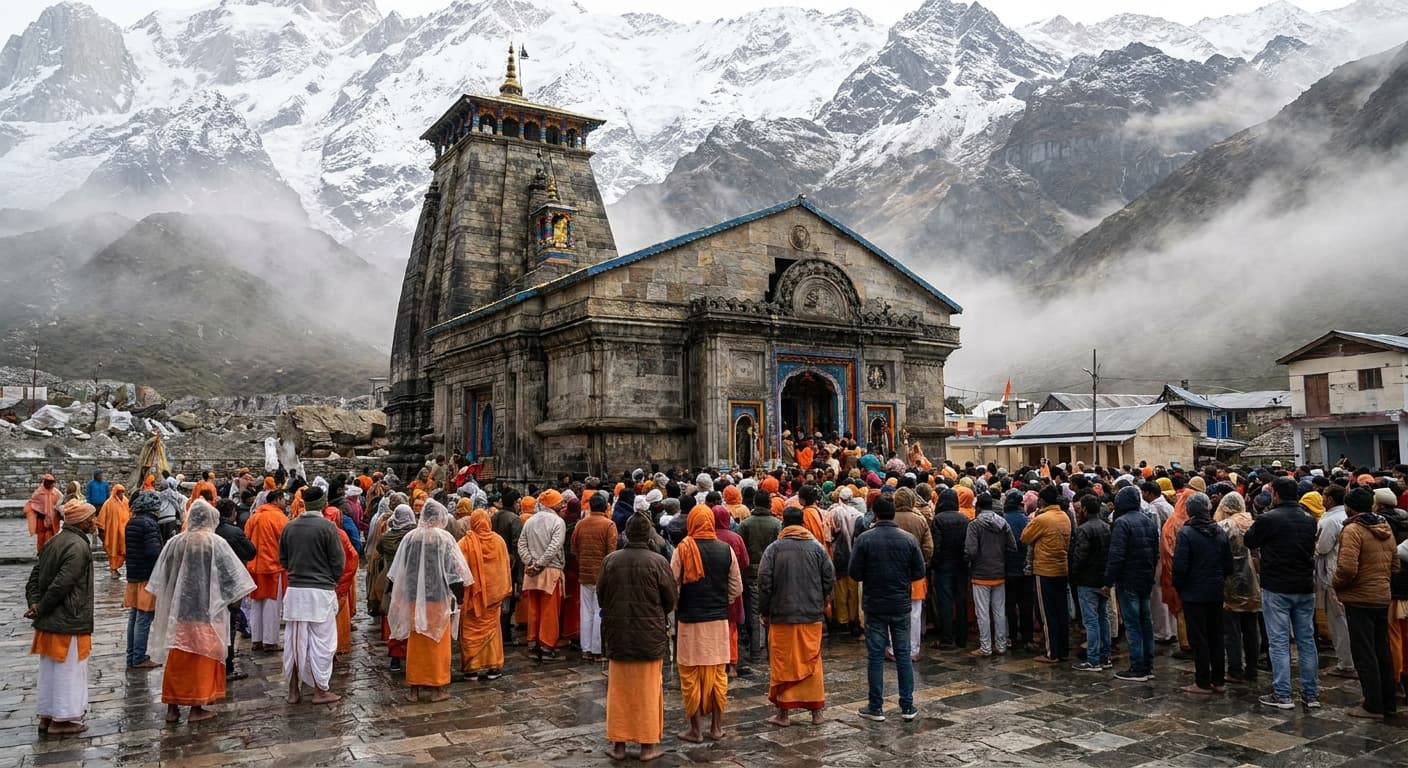
Generated planning visual for family preparation, documents, medicines and packing before Char Dham Yatra.
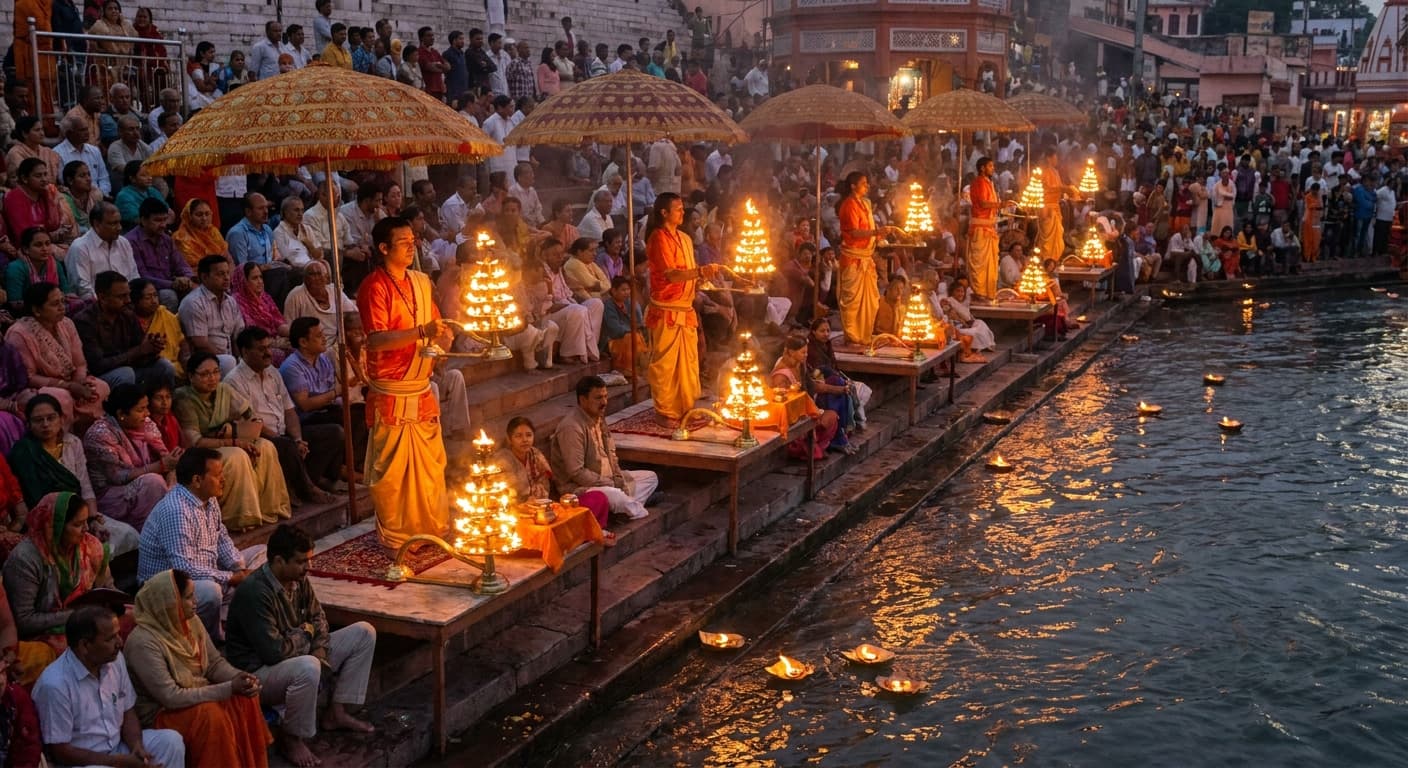
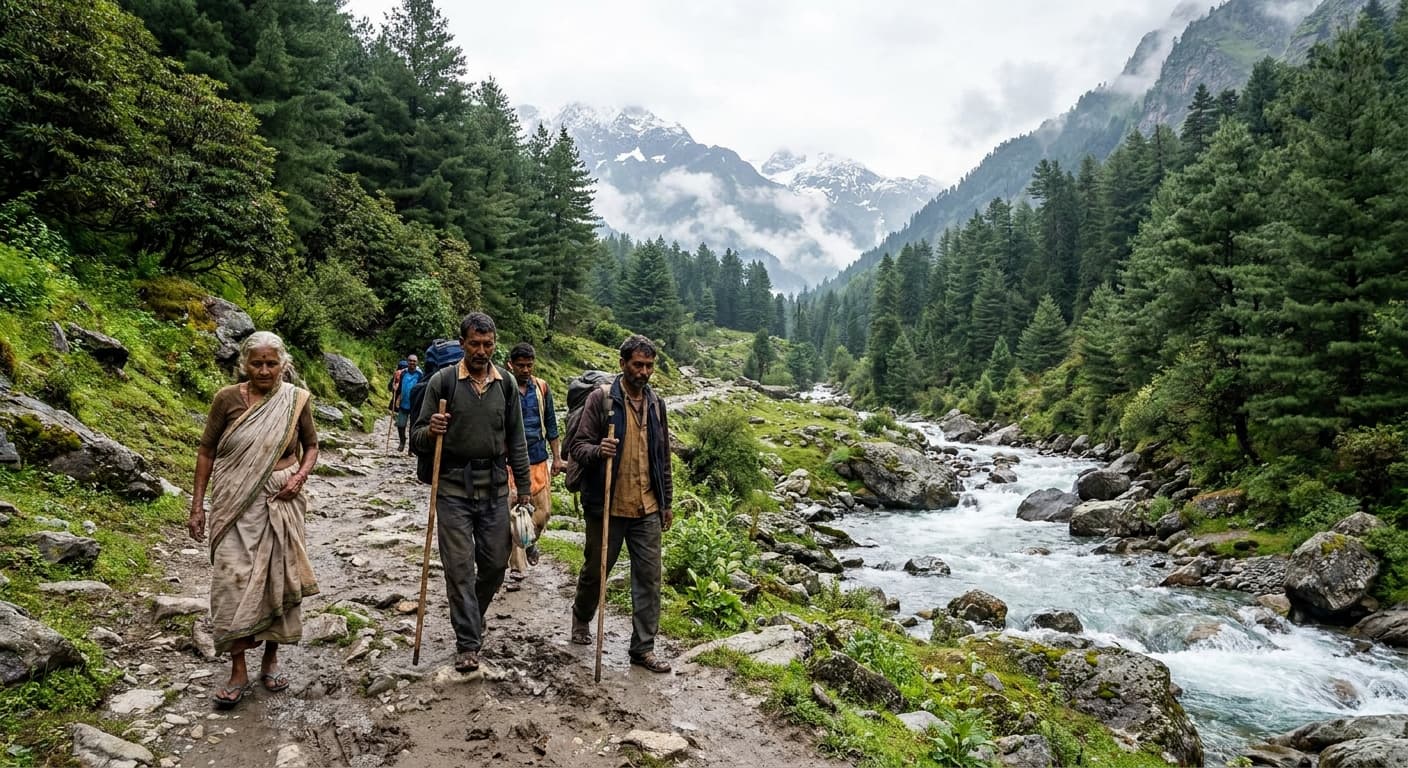
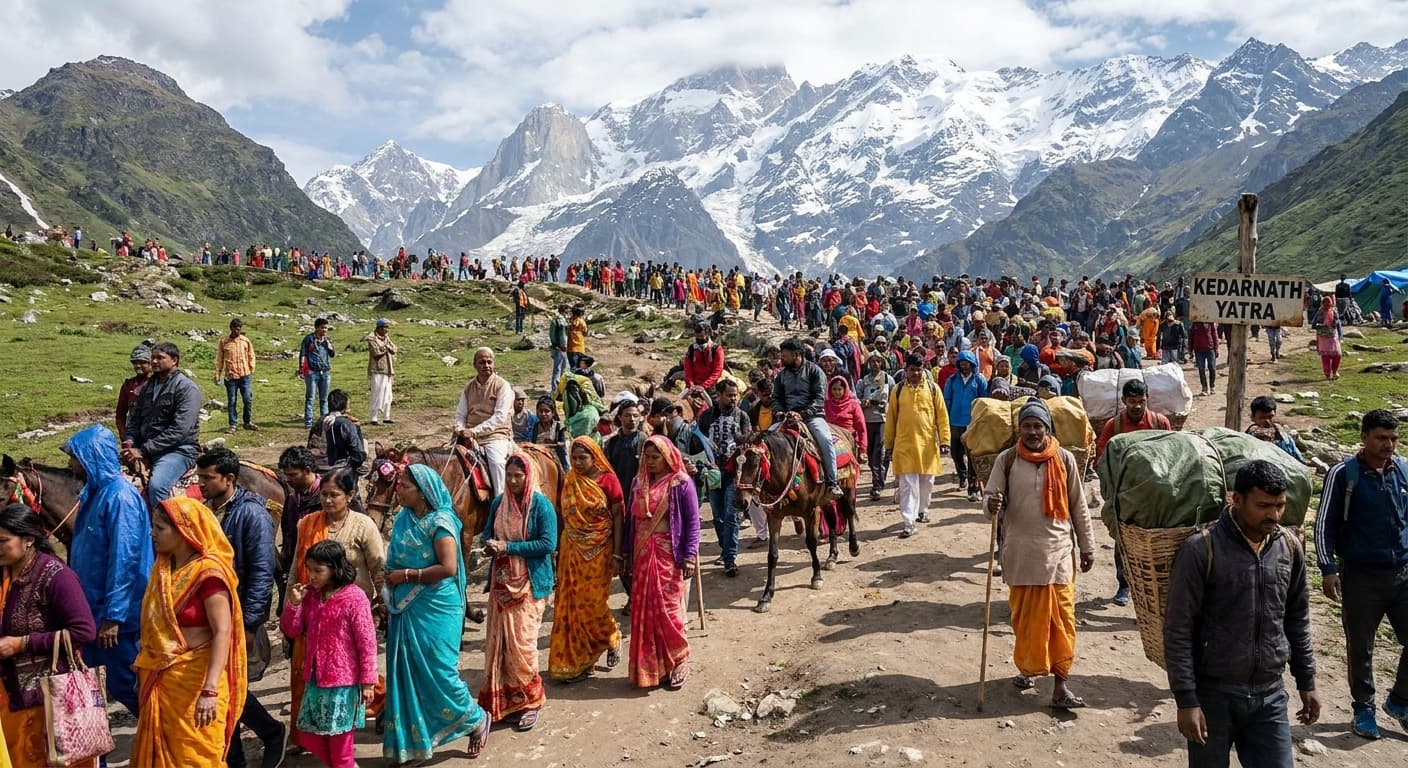
Route photo notes
Visual checkpoints families should understand before booking
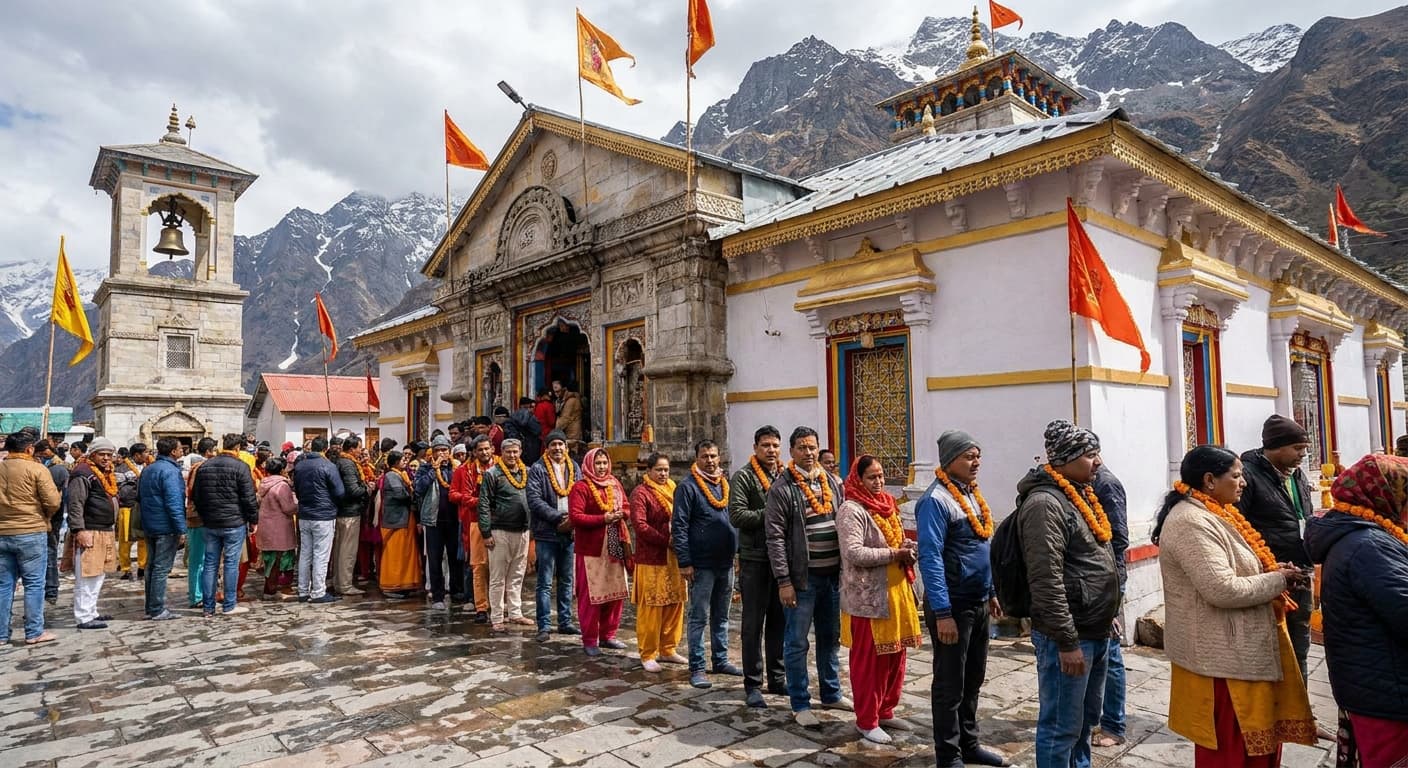
What restart season means for Char Dham travelers
For families, restart season means the practical travel window after the heavy monsoon caution period, when many travelers begin looking again at Char Dham dates. It does not mean every road, hotel, helicopter slot or temple-area movement will behave exactly like peak summer. The route moves through Himalayan roads, high-altitude temple areas, narrow hill-town traffic, early morning starts and weather that can change within hours.
That is why a restart-season booking should be treated as a planning decision, not just a price decision. The family should know how many road hours are expected, which nights are in the hills, where walking is involved, what support can be arranged, what is included in the package and what happens if weather changes the day's movement.
A strong plan checks four things together: live seats for the exact batch, official registration or travel formalities, current weather and route movement, and the health profile of the travelers. If even one of these is unclear, pause and clarify before paying the booking amount.
Current Shubhayatra departure windows for 2026
The current Char Dham landing page schedule shows September departures on 7, 14, 21 and 28 September 2026. October departures are shown for 5, 12, 19 and 26 October 2026. November departures are shown for 2 and 9 November 2026.
These dates are useful for planning leave, flight or train movement from Bengaluru and family coordination. They are not a substitute for live seat confirmation. Fixed departures can still change based on group size, room inventory, road conditions, transport availability and official instructions.
When you shortlist a date, ask the team to confirm the current seat count, reporting city, expected arrival city, hotel category, vehicle type, room sharing, meal plan and the latest route expectation. This gives the family a clearer picture of the journey before the booking becomes emotional.
Month-by-month comfort: September, October and November
September can feel fresh, green and spiritually beautiful after the rains, but it needs the most route awareness. Families should be ready for slower roads, local traffic holds, wet patches, occasional schedule changes and the need to check weather closer to departure. It can suit travelers who missed the May or June season and are comfortable with a guided but flexible plan.
October is often the more comfortable comparison month for families and senior travelers because rain usually reduces and the weather starts turning cooler. The tradeoff is demand. Many people prefer October, so rooms and seats can move faster. Pack warmer layers and avoid last-minute booking if the family needs specific room combinations.
November is a late-season option. It can be colder in the mornings and evenings, and the practical window can be shorter. It can suit travelers who prefer cooler weather and can manage extra warm clothing, but it is not the month to travel casually without checking the final operating status and weather.
Route-by-route planning: where families need the most clarity
Char Dham planning becomes easier when the family understands the route as four different experiences rather than one single temple trip. Yamunotri usually brings the first serious walking and support discussion. Gangotri is often more road-based, but altitude, weather and early starts still matter. Kedarnath is the biggest planning point because walking, pony, palki, porter and helicopter questions come up here. Badrinath may feel easier for some travelers, but late-route tiredness and weather still need respect.
Ask for the route sequence, night halts and expected movement time in plain language. If the itinerary says a day is long, ask what that means in hours. If a temple involves walking, ask how much walking is expected and what support can be arranged. If an optional service is mentioned, ask whether it is included, pre-booked, availability-based or paid separately.
This clarity prevents a common family problem: everyone agrees to the yatra emotionally, but only later realizes that the physical effort, wake-up times or optional costs were not understood.
Senior citizen and family health preparation
Many families from Bengaluru plan Char Dham for parents and elders. That can be a beautiful decision, but it needs practical preparation. The route includes high-altitude regions, hill driving, early mornings, crowded temple areas, uneven walking paths and weather changes. A traveler who is comfortable in city life may still need support in the mountains.
Families should discuss heart conditions, BP, diabetes, asthma, breathing difficulty, vertigo, knee pain, recent surgery, sleep issues and daily medicines before booking. This article is not medical advice; a doctor who knows the traveler should guide the final health decision. The tour team can explain the route, but the doctor should advise fitness and precautions.
For senior-heavy groups, choose pace over urgency. Avoid trying to save a small amount by selecting a rushed plan. Ask about rest stops, room access, meal timing, bathroom breaks and who to call if someone cannot continue a walking section.
Registration, documents and official checks
Char Dham registration and local travel instructions can change, so the family should always check the official registration portal and confirm the latest process with the tour team. Documents should be prepared before departure week, not the night before travel.
Every traveler should keep original government ID, photocopies, digital backup, tickets, package confirmation, emergency contacts and medicine prescriptions. For senior travelers, keep a medicine schedule and health summary in the day bag. If your family has multiple phones, store copies on at least two devices in case one phone loses battery or network.
Official weather checks are equally important. The Indian Meteorological Department provides pilgrimage weather updates, and local advisories can affect movement in hill routes. Do not rely only on generic phone weather apps when the group is close to departure.
Packing for restart season
Restart-season packing should prepare for changing weather rather than one fixed temperature. A warm afternoon can become a cold morning, and a dry route can still need rain protection. Families should pack layers, not only bulky sweaters.
Footwear is especially important. Do not travel with new shoes that have never been tested. Choose comfortable walking shoes with grip, keep extra socks and carry a light pair of slippers for hotel use. For temple movement, keep the day bag light and practical.
The day bag should carry documents, daily medicines, water, snacks, rain protection, warm layer, phone charger, small towel or tissues and any support item the traveler needs regularly. Overpacking the day bag can make the walking sections harder, so keep it focused.
Budget and inclusions: questions to ask before paying
Families often compare Char Dham packages only by the headline price, but the real comfort depends on what is included and how clearly exclusions are explained. Ask whether the price includes hotels, meals, local transport, taxes, permits, guide or coordinator support and specific temple-area arrangements.
Also ask what is not included. Pony, palki, porter, helicopter, special darshan, personal expenses, extra hotel nights, route-change costs, tips and medical expenses may be separate unless clearly written in the package. A transparent package is better than a low price that becomes confusing during travel.
If the family includes seniors, do not choose only the cheapest option. A room that is easier to access, better food timing, clear vehicle planning and slower pace can matter more than a small saving.
Final 48-hour checklist before departure
The final two days should be used for confirmation, not panic packing. Reconfirm reporting time, reporting place, emergency contact, route status, weather, registration, medicine kit and luggage limit. Families should also decide who carries the document folder and who keeps digital backup.
For travelers flying or taking trains from Bengaluru, keep enough buffer before the group reporting time. Char Dham is not the type of trip where a delayed first connection should be planned casually. It is better to arrive with margin and rest than to begin the yatra tired.
Planning links
Useful links for Char Dham planning
Use these pages to continue planning from the guide instead of searching again. Internal links help you compare the package, tools and related reading; official links help you verify live requirements before travel.
Continue on Shubhayatra
Official checks
Use trusted official sources for registration, weather and destination updates before confirming travel.
Video idea
Char Dham September 2026 restart explained in 2 minutes
A short explainer for families comparing September and October departures from Bengaluru.
Common questions
Is September a good month for Char Dham Yatra?
September can be a good restart window after the heavy monsoon period if the family is comfortable with weather checks and route flexibility. It should not be booked casually without checking road conditions, registration updates and senior traveler comfort.
Which Char Dham month is better, September or October?
September can be greener and earlier in the restart window, while October is often cooler and more settled for many families. For senior travelers, the better month depends on health, walking comfort, cold tolerance, route conditions and seat availability.
Should I book Char Dham early for September 2026?
Yes. Early discussion helps with seats, rooming, flight or train planning, medicine preparation and route clarity. Final confirmation should still include live availability, current road conditions, registration status and written inclusions.
What is the hardest part of Char Dham Yatra for families?
For many families, Yamunotri and Kedarnath need the most planning because walking support, weather, crowd movement and senior comfort become important. Long road hours can also be tiring if the itinerary is rushed.
Are pony, palki and helicopter services included?
They should be treated as optional unless your final package clearly says otherwise. Availability, weather, permits and local operating rules can affect these services, so confirm costs and process before booking.
What should senior citizens do before booking Char Dham?
Senior citizens should discuss the route with family, check walking expectations, carry prescriptions and get doctor guidance if they have BP, heart, breathing, diabetes, knee or recent surgery concerns.
How many days are needed for Char Dham Yatra from Bengaluru?
The current Shubhayatra Char Dham package is shown as 11 nights / 12 days. Families should confirm the reporting city, return city, flight or train timing, and whether extra buffer nights are needed from Bengaluru.
What is the current starting price for Char Dham Yatra?
The current published package starts from INR 55,500. The final payable amount should still be reconfirmed for the selected departure, room sharing, flight sector and optional Kedarnath support.
Which official websites should I check before Char Dham travel?
Check the official Char Dham registration portal for registration requirements, IMD pilgrimage weather for weather alerts, and Uttarakhand Tourism or local advisories for travel updates before departure.
Can children join Char Dham Yatra?
Children can travel with families if the itinerary pace, weather, food habits, walking sections and road hours are suitable. Parents should carry warm layers, snacks, medicines and ID documents for children.
What should I ask before paying the booking amount?
Ask for live seat status, route flow, hotel category, room sharing, meal plan, vehicle type, inclusions, exclusions, cancellation terms, optional costs and how route changes are handled if weather affects movement.
Is this guide a substitute for official route updates?
No. This guide helps families plan better, but official registration, weather, road and local movement updates should be checked close to travel and confirmed with the Shubhayatra team before booking.